TMJ & Orofacial Pain Treatment at My Dental Clinic
Understanding TMJ Disorders
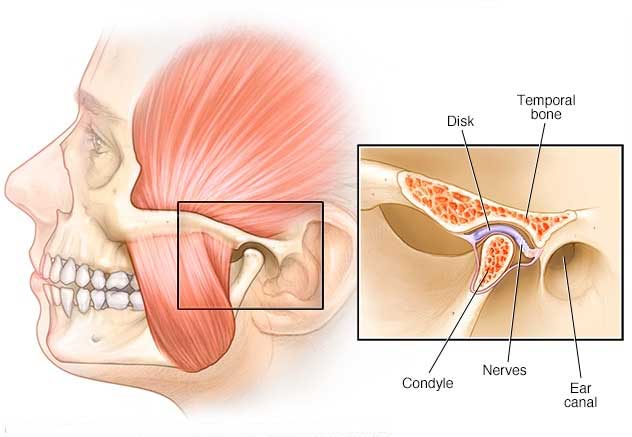
The temporomandibular joint (TMJ) connects your lower jaw to the skull and plays a crucial role in talking, chewing, and yawning. However, when this joint or the surrounding muscles become strained or inflamed, it leads to TMJ disorders (TMD).
Although TMJ disorders are common, many people ignore early symptoms. As a result, the condition may worsen over time. Therefore, timely evaluation and treatment are essential.
Common Causes of TMJ Disorders
TMJ problems can occur due to multiple reasons. These include:
Jaw injury or trauma
Teeth grinding or clenching (bruxism)
Misaligned teeth or bite issues
Stress causing muscle tension
Arthritis affecting the jaw joint
Poor posture affecting jaw alignment
Because each patient is different, identifying the exact cause is the first and most important step in treatment.
What Is Orofacial Pain?
Orofacial pain refers to pain felt in the face, jaw, mouth, head, or neck. While TMJ disorders are a major cause, orofacial pain can also arise from dental issues, nerve disorders, sinus problems, or muscle dysfunction.
In many cases, patients experience pain without knowing its origin. That is why a specialized evaluation is required to differentiate dental pain from nerve-related or muscular pain.
Conditions Included Under Orofacial Pain
TMJ disorders
Myofascial pain (muscle-related pain)
Trigeminal neuralgia
Facial nerve pain
Chronic headaches linked to jaw dysfunction
Post-traumatic facial pain
Because orofacial pain often overlaps with other conditions, a multidisciplinary and careful approach is necessary.
Symptoms of TMJ & Orofacial Pain Disorders
Symptoms can vary from mild discomfort to severe, chronic pain. However, common warning signs include:
Jaw pain or tenderness
Clicking or popping sound in the jaw
Difficulty or pain while chewing
Facial pain or pressure
Headaches or migraines
Ear pain, ringing, or fullness
Locking of the jaw
Neck and shoulder pain
If these symptoms persist, it is important to seek professional care. Otherwise, untreated TMJ disorders may lead to long-term complications.
Why Choose My Dental Clinic for TMJ Treatment?
At My Dental Clinic, we believe that pain management should be precise, personalized, and patient-focused. Therefore, our TMJ and orofacial pain treatment approach is designed to deliver lasting relief rather than temporary solutions.
Our Key Strengths
Experienced dental professionals
Advanced diagnostic tools
Conservative, non-surgical treatments
Customized treatment planning
Holistic approach to pain relief
Patient education and long-term care
Because comfort and trust matter, we ensure every patient receives compassionate and transparent care.
Diagnosis of TMJ & Orofacial Pain
Accurate diagnosis is the foundation of successful treatment. At My Dental Clinic, we conduct a detailed evaluation that includes:
Clinical Examination
Jaw movement assessment
Muscle tenderness evaluation
Bite and alignment analysis
Dental & Medical History
Past injuries or trauma
Stress levels and habits like grinding
Previous dental treatments
Imaging (If Required)
Digital X-rays
CBCT scans
TMJ imaging
By combining clinical findings with imaging, we can precisely identify the source of pain.
TMJ & Orofacial Pain Treatment Options
Treatment depends on the severity and cause of the condition. Fortunately, most TMJ disorders can be treated successfully with non-surgical methods.
1. Conservative Pain Management
Initially, we focus on relieving pain and inflammation through:
Jaw rest and activity modification
Hot and cold therapy
Anti-inflammatory medications (if needed)
This approach helps reduce discomfort while preparing the jaw for further treatment.
2. Occlusal Splints / Night Guards
Custom-made TMJ splints or night guards are highly effective for patients who grind or clench their teeth.
Benefits include:
Reducing pressure on the TMJ
Relaxing jaw muscles
Preventing tooth wear
Improving jaw alignment
Because these appliances are custom-designed, they ensure comfort and effectiveness.
3. Bite Correction and Occlusal Therapy
When bite imbalance is the root cause, occlusal adjustment may be recommended. This involves:
Correcting uneven tooth contacts
Improving bite harmony
Reducing strain on jaw muscles
As a result, jaw movement becomes smoother and pain gradually decreases.
4. Physiotherapy for TMJ
TMJ-specific physiotherapy plays a vital role in long-term relief. It may include:
Jaw stretching and strengthening exercises
Postural correction
Muscle relaxation techniques
Because muscles and joints work together, physiotherapy enhances treatment outcomes.
5. Stress Management & Habit Counseling
Stress is a major contributor to TMJ disorders. Therefore, we guide patients on:
Stress reduction techniques
Avoiding harmful habits like nail biting or gum chewing
Improving sleep posture
These lifestyle changes significantly reduce symptom recurrence.
6. Advanced Pain Management (If Needed)
For chronic or severe cases, advanced options may be considered, such as:
Trigger point therapy
Botox for muscle relaxation
Multidisciplinary pain management
However, surgical treatment is rarely required and only considered when conservative methods fail.
Benefits of Early TMJ Treatment
Treating TMJ disorders early offers multiple advantages:
Faster pain relief
Prevention of chronic jaw damage
Improved quality of life
Reduced headaches and facial pain
Better chewing and speaking function
Therefore, early consultation can save time, discomfort, and long-term complications.
TMJ Treatment for All Age Groups
Patient-Centered Care at My Dental Clinic
We understand that chronic pain can be frustrating. Therefore, our approach emphasizes:
Clear communication
Step-by-step treatment explanation
Regular follow-ups
Long-term pain prevention
Because patient comfort is our priority, we focus on gentle and effective care.